
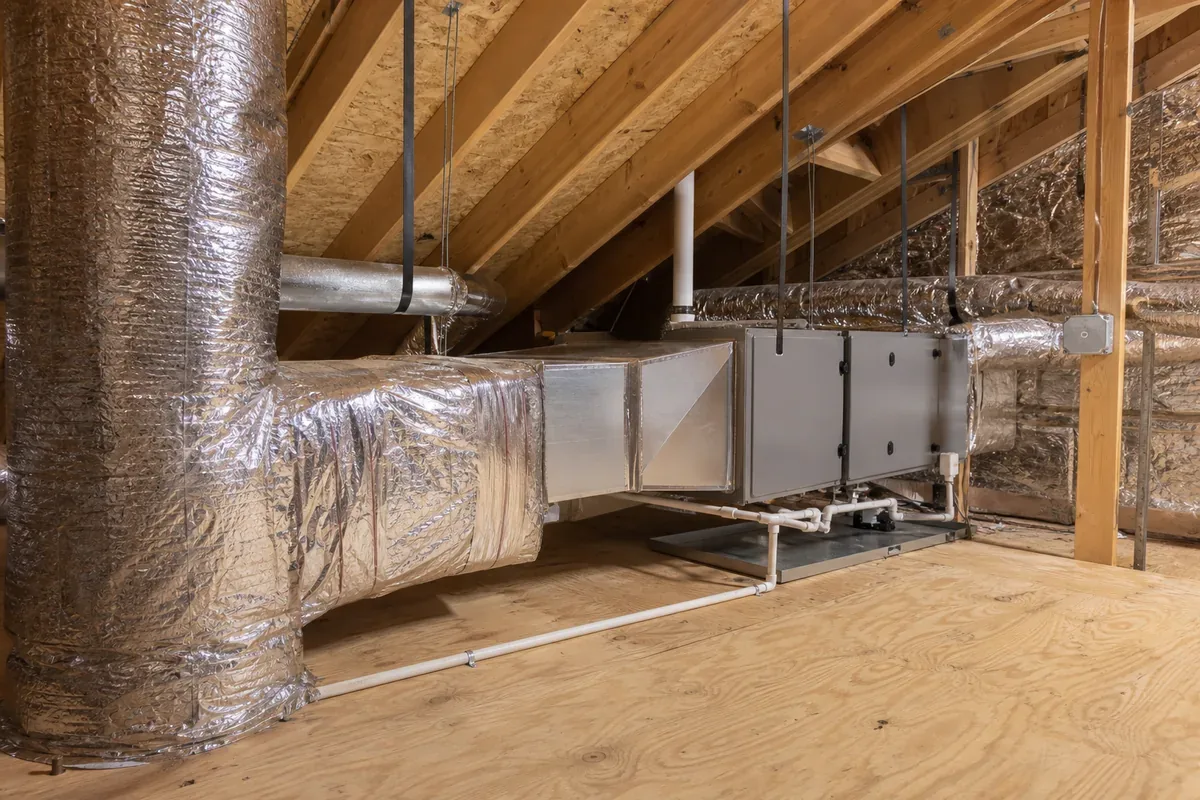
ENERGY STAR puts duct losses at 20 to 30 percent of conditioned air. Gaps, cracks and disconnected joints are where it goes. That is not a minor inefficiency. That loss shows up on the utility bill every month. It is the same story in Route 1 offices, Langhorne warehouses and Doylestown suites.
Quick Answer: Sealing leaky commercial ductwork reduces energy waste, improves indoor air quality, and extends HVAC equipment life. For most mid-size Bucks County commercial buildings, duct sealing is one of the highest-return HVAC investments available.
How Air Leaks in Commercial Ductwork Drain Your Energy Budget
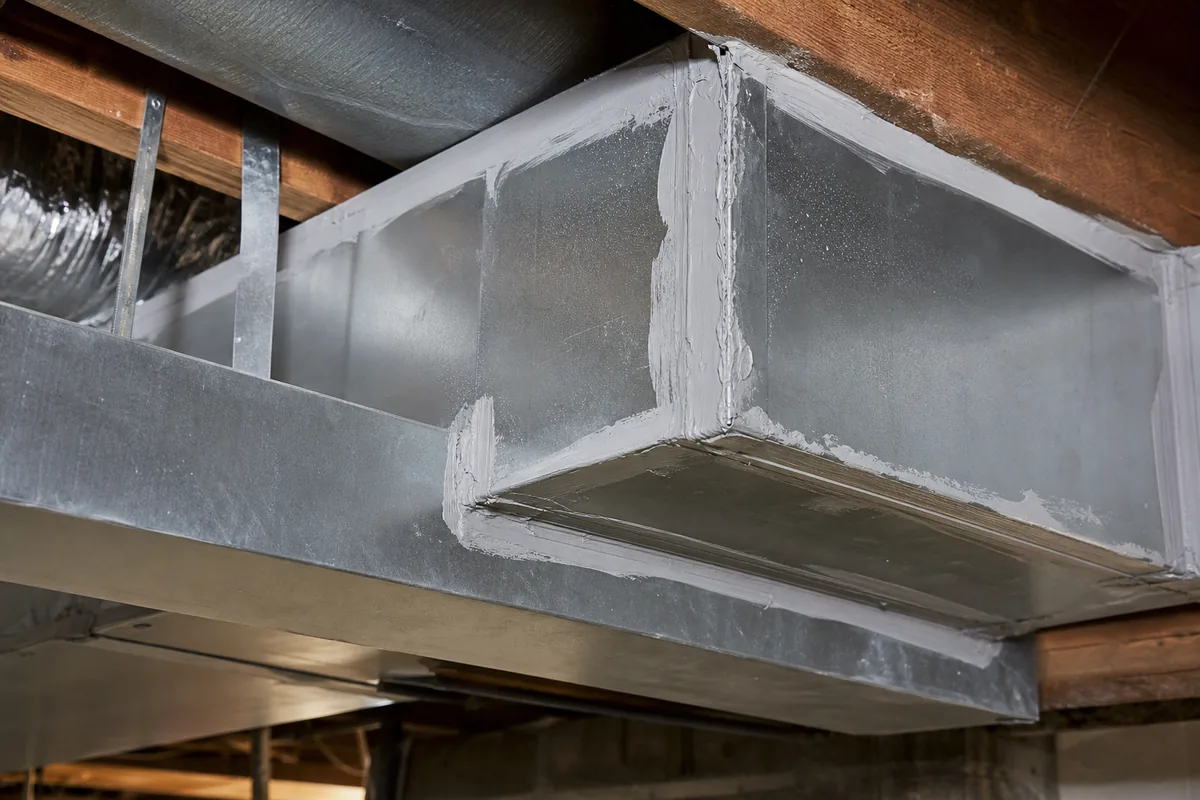
Commercial HVAC systems are built to move a set volume of conditioned air to occupied spaces. When ductwork leaks, air escapes into wall cavities, ceiling plenums, and mechanical rooms. It never reaches the people the system is meant to serve. Your equipment then runs longer to compensate, burning more energy without adding more comfort.
The Compounding Cost of Conditioned Air Loss
The ENERGY STAR reports that duct leakage is a leading cause of wasted energy in commercial buildings. A system losing 25 percent of its airflow must run much longer to hold setpoint temperatures. Bucks County summers push commercial systems hard from June through September. Heat and humidity are tough on equipment. Those longer run cycles add up to real energy costs over a full cooling season.
Why Older Commercial Buildings Are Especially Vulnerable
Many commercial buildings in Doylestown and along the Route 1 corridor are older. They were built in the 1970s, 1980s, and 1990s. Back then, ductwork was often installed with basic sheet metal screws. Cloth duct tape was also commonly used. Neither one holds a seal well over many decades. Heating and cooling causes ducts to expand and contract over time. That movement pulls seams apart. The cloth tape dries out and loses its stick. Seams that were tight at first have often separated by now. If your building has never had its ductwork inspected or sealed, you are likely losing conditioned air.
Peak Summer Demand Makes the Problem Worse
During a Bucks County summer heat wave, commercial HVAC systems run at or near full capacity. A system that barely keeps up on a 95-degree afternoon has even less to give. When 20 to 30 percent of its output leaks into unconditioned spaces, the problem gets worse. You end up with uneven temperatures and occupant complaints. The equipment never fully recovers between cycles.
Signs Your Commercial Building Has Duct Leakage Problems
Duct leakage is not always easy to spot. Ductwork hides above drop ceilings and inside wall chases. You rarely see the leaks themselves. But the symptoms show up in ways you do notice. Those symptoms are consistent. An experienced technician can often identify duct leakage as the likely cause. This can happen before a single ceiling tile is opened.
Uneven Temperatures Across the Building
Is one wing of your building always warmer than another? Some rooms may never reach the thermostat setpoint. Duct leakage is often the cause. Air escapes before it reaches those zones. Spaces near the air handler stay comfortable. Rooms at the far ends of the ducts suffer. This is a common problem in larger commercial suites in Newtown Township. It also shows up in multi-tenant buildings in the Langhorne area.
Utility Bills That Keep Climbing Without an Obvious Cause
Energy costs climbing year over year, with no change in occupancy or equipment, usually points at the ductwork. The HVAC system is working harder to deliver the same result. Have your bills trended upward despite routine maintenance? A duct leakage assessment is the logical next step. Our air duct cleaning service includes a system evaluation that can help identify where efficiency is being lost.
Excessive Dust and Debris in Occupied Spaces
Leaky ducts let conditioned air escape. They also pull in air from surrounding spaces. That includes attics, mechanical rooms, and wall cavities. Those spaces often contain dust, insulation fibers, and other particles. Check your supply registers for unusual dust buildup. Also check if your filters are loading up faster than normal. If so, duct leakage may be pulling in contaminated air.
What Happens to Indoor Air Quality When Ducts Go Unsealed
Indoor air quality in commercial buildings is a serious occupant health issue, not just a comfort concern. The EPA’s guidance on indoor air quality names ductwork as a major pathway for indoor pollutants. That applies when a system is not sealed and maintained. Your staff may spend eight or more hours a day in the building. The air moving through those ducts affects how they feel and work.
Contaminants Pulled In Through Duct Gaps
Some duct sections run through unconditioned spaces and can develop negative pressure. That pulls air in through any gap in the ductwork. That air can carry mold spores, fiberglass particles, volatile organic compounds, and other particulates. None of that belongs in the air your employees breathe. An Air Duct Camera Inspection, Bucks County can find exactly where those infiltration points are. Catching them early can prevent a larger air quality problem.
Humidity Imbalances That Encourage Mold Growth
Bucks County summers are humid. A properly sealed and balanced commercial HVAC system removes moisture from the air during cooling. When ducts leak, humid unconditioned air gets back into the system and your space. This can push indoor relative humidity above the 30 to 50 percent range the EPA recommends. Sustained high humidity can lead to mold growth in ceiling tiles, on walls, and inside the ductwork.
Occupant Symptoms That Get Blamed on Everything Else
Headaches, fatigue, eye irritation, and respiratory complaints are often blamed on stress or seasonal allergies. In buildings with significant duct leakage, those symptoms can be building-related. Fixing the ductwork often resolves ongoing occupant complaints. Other maintenance efforts may not solve the problem if the ducts are the source.
How Duct Sealing Extends the Life of Your HVAC Equipment
Duct leakage makes your system run longer than it should. That extra runtime wears out the compressor and blower motor. It also stresses the heat exchanger and controls. Your equipment costs a lot of money to replace. How long it lasts depends on how hard it works. The harder it works, the shorter its life.
Reduced Run Times Mean Less Mechanical Wear
When ducts are properly sealed, your HVAC system delivers conditioned air efficiently and reaches setpoint temperatures faster. Shorter run cycles mean the compressor starts and stops less often. The blower motor also accumulates fewer operating hours, and the system experiences less thermal cycling stress. A well-sealed duct system can meaningfully extend equipment life. Commercial HVAC equipment typically lasts 15 to 25 years, depending on type and maintenance history.
Lower Operating Temperatures Protect Components
A system overworking due to duct leakage runs hotter than it should. Higher operating temperatures speed up the breakdown of electrical components, refrigerant seals, and motor windings. Proper duct sealing helps keep your system running within its designed parameters. That reduces the risk of premature component failure and unexpected repair calls. Our commercial HVAC services include duct sealing as part of protecting your equipment investment.
Fewer Emergency Repairs During Peak Season
Bucks County summers are hottest exactly when commercial HVAC systems are most likely to fail. Repair scheduling is also hardest during those same weeks. A system with duct leakage works harder all season. That extra strain raises the chance of a component failure during a heat wave. Proactive duct sealing lowers that risk and keeps your building running when it matters most.
What the Duct Sealing Process Looks Like in a Commercial Building
Professional duct sealing in a commercial setting is a structured process, not a quick patch job. It starts with a thorough assessment and ends with verified results. Understanding what is involved helps building owners and facility managers set realistic expectations and plan around the work.
Duct Leakage Assessment and Pressure Testing
The first step is measuring the problem. Technicians use blower door testing and duct pressurization equipment. These tools measure the total leakage rate of the duct system. This baseline shows how significant the leakage is. It also shows where pressure losses are concentrated. Larger buildings in the Langhorne industrial parks may cover multiple air handling zones. Multi-story office buildings in Newtown Township may as well. The data from this step sets the scope of the sealing work.
Access, Identification, and Sealing
Technicians reach the ductwork through ceiling tiles and mechanical room access panels. They also use dedicated access points. Gaps at joints, seams, and connections get sealed. The material used depends on the duct setup and how bad the leakage is. Options include mastic sealant, metal-backed tape rated for HVAC applications, or aerosol-based sealant systems. Mastic is preferred for most commercial jobs. It stays flexible through temperature cycles. It does not dry out and crack the way cloth tape does. HVAC Services in Bucks County, PA shows how duct sealing fits into a full building maintenance plan.
Post-Sealing Verification and Documentation
After sealing, the duct system is re-tested with the same pressurization equipment used at the start. This confirms that leakage has dropped to an acceptable level. It also gives the building owner documented proof of the work. A professional duct sealing job on a mid-size commercial building typically takes one to three days. Time varies based on system complexity, building size, and ductwork accessibility. The results include reduced energy use, better comfort, and improved air quality. All of these are measurable and ongoing.
High energy bills can point to duct leakage. Uneven temps and air quality complaints can too. It is worth checking before summer cooling season. Service First HVAC has served Bucks County since 2009. Their technicians are licensed in Pennsylvania and New Jersey. They handle assessment and sealing work. Call or schedule online to book a duct leakage evaluation for your building.
Frequently Asked Questions
How do I know if my commercial building's ductwork is leaking?
The most common signs are uneven temperatures across the building and rising energy bills with no clear cause. Excessive dust near supply registers is another sign. A professional duct pressurization test measures exactly how much air your system is losing. It also shows where the leaks are concentrated. Many building owners are surprised to find significant leakage in systems that otherwise seem to work fine.
Is duct sealing worth the cost for a mid-size office building?
Most commercial buildings lose 20 percent or more of their conditioned air through duct leakage. Sealing that leakage can deliver measurable energy savings. Those savings can offset the cost within a reasonable timeframe. Other benefits include extended equipment life and fewer emergency repairs. Occupants may also notice better indoor air quality. Pricing varies based on building size, duct system complexity, and the degree of leakage found. Contact Service First HVAC for a free estimate tailored to your building.
How long does a professional duct sealing job typically take?
A professional duct sealing project on a mid-size commercial building generally takes one to three days. That includes the initial assessment and post-sealing verification. Larger buildings with multiple air handling zones or complex duct layouts may need more time. Your technician will give you a specific timeline after completing the initial leakage assessment.
Can leaky ducts affect the health of employees working in the building?
Yes. Leaky ducts can pull in air from spaces like ceiling plenums and wall cavities. This can bring dust, mold spores, insulation particles, and other contaminants into your building. The EPA identifies ductwork as a major pathway for indoor air pollutants. This is especially true when systems are not properly sealed. If your building has known duct leakage, take employee complaints seriously. Headaches, fatigue, or respiratory irritation are worth addressing.
Does duct sealing require shutting down the building or disrupting normal business operations?
Duct sealing can usually be scheduled off-hours, in the evening or on a weekend. That keeps disruption down. Where after-hours access is not possible, we work in sections. Part of the system keeps running while we seal the rest. Your technician works with your facility manager on a schedule that fits the building.