
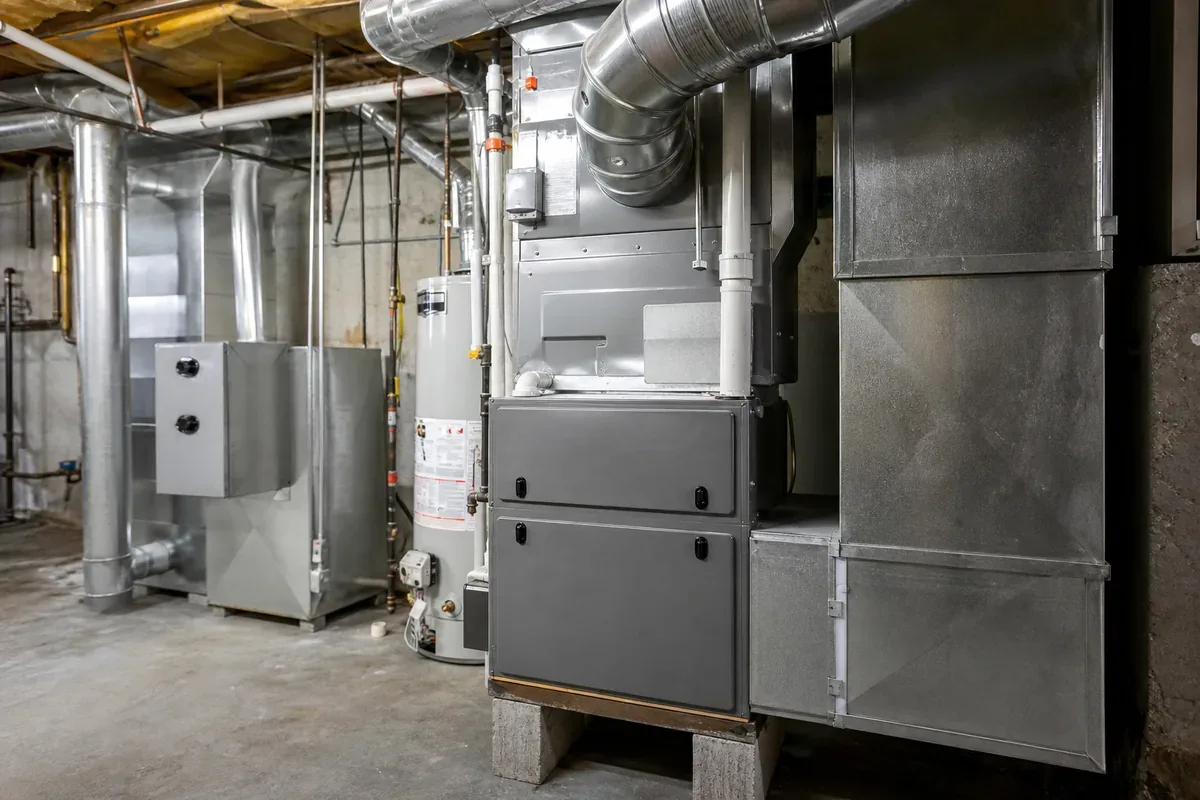
Most Doylestown homeowners want to keep their ducts clean. Without consistent habits, ducts quietly fill with dust, mold spores, and debris all summer. Homes built before 1990 have ductwork not designed for modern Pennsylvania humidity and dust loads. By the first real heat wave, those ducts are already circulating whatever settled in them during spring. Most duct contamination in residential homes is preventable with a few consistent habits.
Quick Answer: Change your air filter every 30 to 60 days during summer. Seal any duct gaps near attic or crawl space connections. Keep return vents clear of furniture and debris. These three steps prevent most duct contamination in Bucks County homes.
How Often Should You Change Your Air Filter to Protect Your Ducts
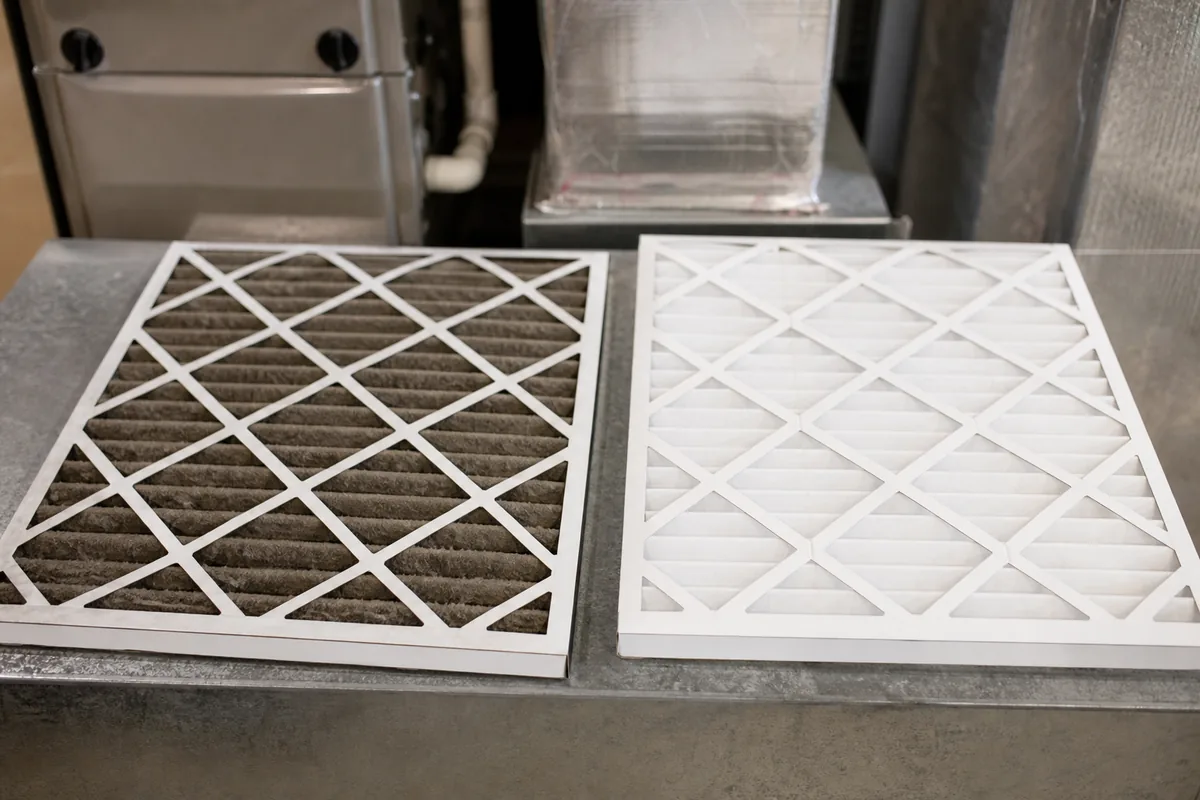
The air filter is the first and most important line of defense your duct system has. Every cubic foot of air that moves through your supply and return ducts passes through that filter first. When the filter gets clogged, airflow drops. The system works harder, and dust bypasses the filter and coats the inside of the ductwork.
What Filter Rating Actually Means for Your Ducts
Filters are rated on the MERV scale. This scale measures how well they capture airborne particles. A MERV 8 filter captures most household dust, pollen, and pet dander. A MERV 13 filter captures 98% of particles larger than 1 micron. That includes many mold spores and fine dust, per ASHRAE standards. For most Bucks County homes, a MERV 8 to MERV 11 filter works well. It balances filtration and airflow during summer central AC use. Going too high on MERV can restrict airflow. Check your system’s fan capacity before choosing a higher rating.
How Summer Changes Your Filter Replacement Schedule
In summer, your AC runs far more hours per day than in spring or fall. More runtime means more air moving through the filter. That means it loads up faster. In a home in Newtown or Richboro with pets and kids, a filter can clog quickly. One that lasts 90 days in mild weather might be clogged solid after a hard cooling season. Check your filter every 30 days from June through August. Hold it up to a light source. If you cannot see light through it, replace it right away. Running a clogged filter for even two weeks can push dust into the duct interior. That dust can hold moisture and become a contamination problem.
Choosing the Right Filter for Your System
Not all filters fit every system. Check the size printed on your current filter. Do this before you buy a replacement. Filters that are too small let air slip around the edges. That sends unfiltered air into your ducts. A filter should fit snugly with no gaps. That means it is doing its job. Not sure what filter your system needs? Our HVAC News & Tips section covers filter selection in more detail.
What Happens Inside Your Ducts When Humidity Gets Too High in Summer
Pennsylvania summers are humid. The Route 202 corridor in Bucks County often sees dew points above 65 degrees Fahrenheit. This happens from late June through August. At 65 degrees Fahrenheit, most people start feeling uncomfortable. Your HVAC system also has to work harder to remove moisture. That moisture does not stay in your living space. It finds its way into your duct system.
How Moisture Leads to Mold Growth in Ductwork
Warm, humid air contacts cooler metal surfaces inside supply ducts and condensation forms. That moisture, combined with dust or organic debris inside the duct, creates conditions where mold can grow. The EPA identifies visible mold growth in ductwork as a condition needing immediate professional attention. Mold in ducts does not stay in the ducts. Every time your system runs, it sends spores through every room in your home. Older colonial-style homes in Doylestown often have more duct surface area for moisture to collect on. Longer duct runs and more connection points are the reason.
What Oversized AC Systems Do to Duct Humidity
An air conditioner that is too large for the home it serves short-cycles. That means it reaches the thermostat setpoint quickly and shuts off before it has run long enough to remove meaningful humidity from the air. The indoor air stays cool but damp. That damp air then circulates through the ducts during the next cycle, and the cycle repeats. According to the U.S. Department of Energy’s ENERGY STAR program, proper AC sizing is one of the most important factors in both comfort and indoor air quality. If your home feels clammy even when the AC is running, oversizing may be the issue. It directly affects how quickly your ducts accumulate moisture-related contamination.
Dehumidification as a Duct Protection Strategy
A whole-home dehumidifier on the air handler can keep indoor humidity between 40% and 50%. That range makes it hard for dust mites and mold to survive. Controlled humidity also means less condensation inside your ducts. Less condensation means slower buildup of contaminants. This is a practical option for homes near Neshaminy Creek or other water features. Outdoor humidity tends to run higher in those low-lying areas.
How to Reduce Dust and Debris Before It Enters Your Duct System
Duct contamination does not come from nowhere. Most of it originates in the living space and gets pulled into the return air system. Reducing the amount of dust and debris circulating in the home is one of the most effective ways to keep duct interiors clean between professional cleanings.
Keep Return Air Vents Clear
Return air vents are typically located low on walls or in the floor. That puts them in exactly the right position to pull in pet hair, carpet fibers, and tracked-in debris. Keep furniture at least 12 inches away from return vents. Vacuum around return vent covers weekly during summer when doors and windows are being opened and closed frequently. A clogged return vent reduces system airflow and forces the blower to pull harder. That can actually pull debris past a lightly loaded filter.
Vacuum and Dust Regularly Near Vents
Supply vents at floor level accumulate dust on the louvers and just inside the duct opening. That dust gets blown back into the room when the system starts a cycle. Some of it gets recirculated. Wipe supply vent covers with a damp cloth every two to three weeks. Remove the covers and vacuum the first few inches of the duct opening a few times per summer. This is a simple habit that makes a measurable difference in how clean the duct interior stays.
Manage Renovation and Construction Dust
If you are sanding floors in a Yardley colonial, turn the HVAC system off first. The same goes for cutting drywall in a finished basement in Warminster. Seal return vents with plastic sheeting and painter’s tape. Construction dust is very fine. It coats duct interiors quickly. It also gets redistributed every time the system runs. Clean up thoroughly before turning the system back on. Replace the filter right after.
Signs Your Ducts Are Getting Dirty Faster Than Normal
Some homes accumulate duct contamination faster than others. Knowing the warning signs helps you catch the problem before it becomes a serious air quality issue.
Dust Appearing on Surfaces Shortly After Cleaning
You dust your furniture. A day or two later, dust is back. Your ducts may be spreading it. This is a clear sign of heavy dust buildup inside the ducts. The system can act like a dust delivery machine. An Air Duct Camera Inspection, Bucks County can show you what is inside. It is the most accurate way to check before scheduling a full cleaning.
Musty or Stale Odors When the AC Runs
A musty smell when your system starts up often points to mold or mildew. It may be in the duct system, on the evaporator coil, or in the drain pan. This smell does not go away on its own. It tends to get worse as the season goes on, because the conditions causing it are still there. Do not cover it up with air fresheners. Find the source.
Increased Allergy Symptoms in Summer
If you notice more sneezing or runny eyes indoors, check your air quality. Feeling better outside is a clue. Dirty ducts often cause allergy symptoms inside the home. The EPA points to duct contamination as a real problem. Their guidance on indoor air quality links dirty ducts to respiratory issues.
Why Duct Sealing Prevents Contamination From Attics and Crawl Spaces
One overlooked source of duct contamination in Bucks County homes is the spaces ducts run through. In most homes, supply and return ducts pass through attics, crawl spaces, and unconditioned basements. When those ducts have gaps, holes, or loose joints, they pull air from those spaces into your airstream.
What Attic and Crawl Space Air Contains
Attic air in a Pennsylvania summer can reach 130 to 150 degrees Fahrenheit. It carries insulation fibers, rodent dander, mold spores from roof decking, and decades of accumulated particulates. Crawl space air often contains ground moisture, radon, and biological contaminants from soil. When duct leaks pull this air into the system, it bypasses the filter entirely. The contamination enters downstream of the filter. The result is duct interiors coated with material that no filter change will address.
How Duct Sealing Works
A pro finds gaps and loose joints in your ducts. They seal them with mastic sealant or metal-backed tape. This is not the same as regular duct tape. Regular duct tape dries out and fails within a few years. Sealed ducts keep contaminants out of your system. They also help air flow better. The U.S. Department of Energy says sealing and insulating ducts in unconditioned spaces can improve efficiency by up to 20%. That means lower cooling bills during the summer months.
Identifying Duct Leaks Without Specialized Equipment
Run your system and hold a hand near duct joints. Check spots like the basement or a pull-down attic. Airflow at a joint means it is leaking. Foil-backed tape can give you a temporary fix. A pressure test is the only way to measure total leakage. It also confirms all gaps have been found. If you think your ducts are pulling in attic or crawl space air, get a professional evaluation. Do this before summer is in full swing.
How Service First in Bucks County Handles Duct Contamination
Service First HVAC has been serving Bucks County homeowners since 2009. Every technician is PA-licensed. When you call about a duct inspection or an air quality concern in Warminster, Southampton, or nearby, we take care of it.
What Our Inspection Process Looks Like
Our process starts with a camera inspection of the duct interior. This gives us actual visual confirmation of what is in your ducts before we recommend any service. This matters because not every home needs a full duct cleaning. We are not going to recommend one if a filter change and a few sealed joints will solve the problem. We give homeowners honest assessments, not upsells. You can learn more about our team and our approach on the About Service First page.
In Doylestown, New Hope, and along the Route 202 corridor, older construction and mixed duct configurations are common. There, duct sealing often delivers more long-term air quality improvement than cleaning alone. We address both when needed. We explain exactly what we found and why we suggest each step. You can schedule a professional air duct cleaning to get a starting point before you call.
Has your AC been running hard? Are you noticing more dust, odd smells, or allergy symptoms that did not used to bother you? Call Service First HVAC or schedule online for a duct inspection. Urgent calls are prioritized to get you the fastest available appointment.
Frequently Asked Questions
How do I know if my ducts actually need cleaning or if it's just a filter issue?
Start by replacing your filter and running the system for a few days. If dust on surfaces, musty odors, or airflow problems persist after a fresh filter, the issue is likely inside the ductwork itself. A camera inspection is the most reliable way to confirm what is actually in your ducts before committing to a cleaning service.
Can dirty ducts make my allergies worse during the summer?
Yes. Ducts that carry mold spores, dust mite debris, pollen, or insulation fibers distribute those particles through every room every time the system runs. Summer is particularly bad because higher humidity encourages mold growth inside ductwork. If your symptoms improve when you leave the house, indoor air quality is worth investigating.
What's the difference between duct cleaning and duct sealing?
Duct cleaning removes accumulated debris from the interior surfaces of your ductwork using specialized vacuum and agitation equipment. Duct sealing closes gaps and disconnected joints in the duct system to prevent outside air and contaminants from entering. Many homes benefit from both, but they solve different problems and are not interchangeable.
Does running my AC constantly in the summer cause ducts to get dirtier faster?
More runtime means more air moving through the system, which means your filter loads up faster and more particles pass through the ductwork over time. It also means more opportunities for condensation to form on cool duct surfaces when humidity is high. Consistent filter changes and humidity control are the best way to manage this during heavy summer use.
How often should ducts be professionally cleaned in a typical Bucks County home?
NADCA, the industry association for duct cleaning professionals, recommends having ducts inspected every three to five years and cleaned when contamination is confirmed. Homes with pets, recent renovations, or known moisture problems may need attention more frequently. An inspection is the right starting point rather than scheduling a cleaning on a fixed calendar.