Your furnace starts, runs a few minutes, then shuts off before the house warms up. That is called short cycling. It is one of the most common winter complaints from Newtown and Bucks County homeowners. Most causes are fixable. The first step is figuring out which one applies to you.
Quick Answer: A furnace that turns on then off is reacting to a safety condition. It is not simply failing on its own. Check your air filter first. Make sure your thermostat is calling for heat. Check that outdoor intake and exhaust pipes are clear of snow. Watch how the burner behaves. Common causes include a dirty filter, a dirty flame sensor, blocked vent pipes, or a thermostat issue.
Cold Pennsylvania weather puts the most demand on heating equipment. Longer run times, freezing temperatures, and rapid indoor temperature swings expose issues that go unnoticed in mild weather.
How Long Should a Furnace Run Each Cycle?
A healthy furnace cycle runs 10 to 15 minutes, then rests. In very cold weather, run times can stretch longer. The system needs more time to reach the thermostat setting. If your furnace shuts off after only 2 to 5 minutes, that is short cycling.
Short cycles waste fuel, wear out parts faster, and never heat the home evenly. The far rooms cool back down before the next cycle starts.
Why a Furnace Turns On Then Off: The Most Common Causes
A properly operating furnace starts, runs until the home reaches the thermostat setting, and shuts off normally. When the system turns off early, it is almost always responding to a safety or airflow problem. The most common causes are below, ordered from easiest to hardest to diagnose.
Dirty or Blocked Air Filter
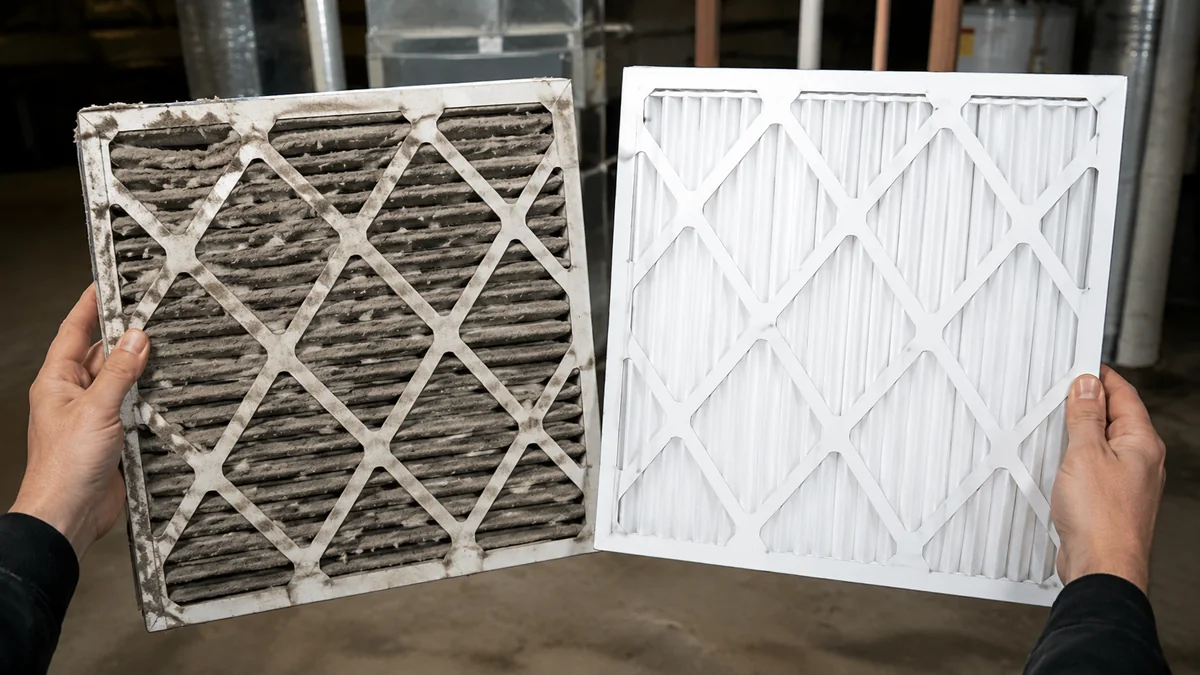
A clogged filter restricts airflow across the heat exchanger. The furnace temperature rises too quickly, and a safety switch shuts it down to prevent overheating. Once it cools, it starts again, and the cycle repeats.
What homeowners can do: Replace the filter if it looks dark or packed with dust. Most homes need a new filter every one to three months. Homes with pets, allergies, or heavy traffic often need replacements monthly.
Thermostat Problems
If the thermostat sends inconsistent signals, your furnace may start and stop without finishing a full cycle. Low batteries, faulty wiring, or drafts blowing on the thermostat can cause erratic behavior. Placing the thermostat near a heat source like a lamp can also cause problems.
What you can do: Replace the thermostat batteries. Confirm the system is set to heat. Make sure the set temperature is at least a few degrees above the current room temperature. Check that no furniture or curtains are blocking the thermostat.
Overheating Furnace
Overheating is one of the most common short-cycle causes. Reduced airflow is the most frequent culprit. Other issues that cause overheating include:
- Blocked supply or return vents in rooms throughout the home
- A weak or failing blower motor
- Dirty internal components, especially the heat exchanger
- A duct collapse or major leak
Once the furnace overheats, it will keep shutting down early until the airflow issue is corrected. This is a technician repair if the filter and vents check out.
Blocked Intake or Exhaust Venting
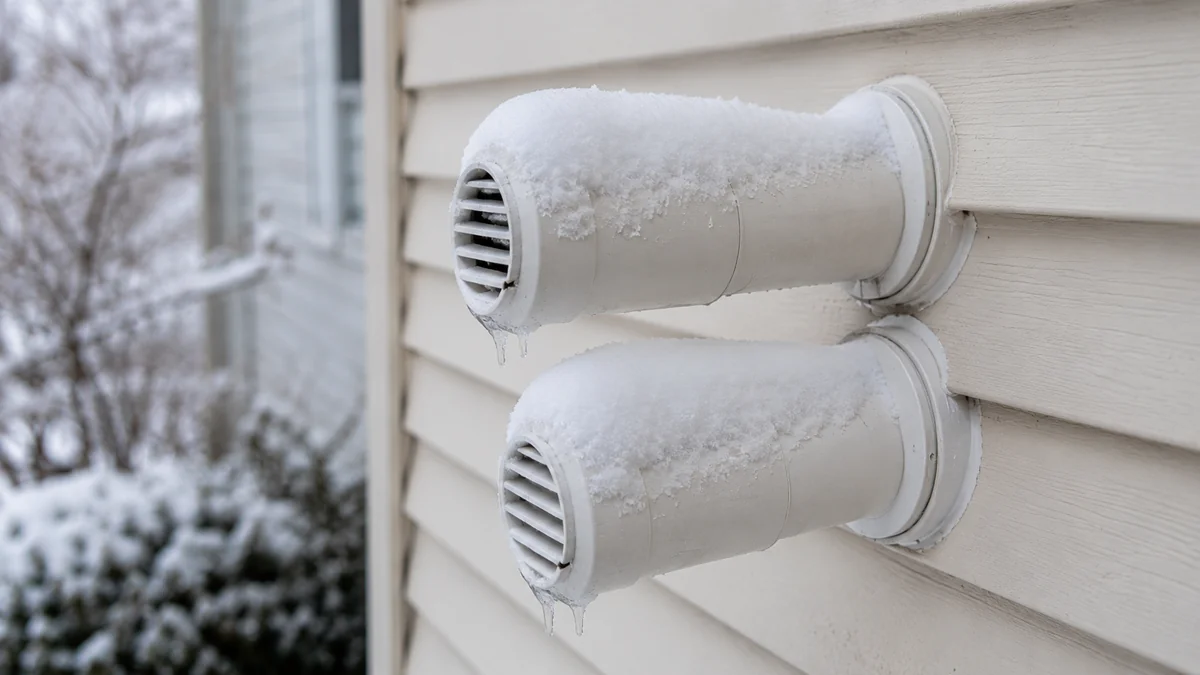
High-efficiency furnaces use PVC pipes outdoors for intake and exhaust. If snow, frost, or ice covers the pipes, airflow becomes restricted. Safety controls shut the system down to prevent dangerous combustion. This is common during Bucks County winter storms and ice events.
Walk outside and look at the two short PVC pipes coming out of the wall near your furnace. If they are blocked by snow or ice, the system will short cycle. Do not chip or scrape the ice off. That can damage the PVC or create unsafe venting. Clear the snow gently with a broom or wait for it to thaw.
Want to learn more? Read our post on why your furnace will not turn on in cold weather.
Dirty or Faulty Flame Sensor
The flame sensor confirms the burner stayed lit. If it gets coated with residue or starts to fail, the furnace shuts off seconds after starting. You will hear the burner light, then click off almost right away. This cycle repeats every minute or two until you clean or replace the sensor.
This is a quick technician repair. A flame sensor cleaning takes about 20 minutes and resolves the problem for the rest of the season.
Ignition Problems
A weak igniter or failing ignition system can cause your furnace to try starting several times. Then it shuts down completely. You may hear clicking. You might see the burner light up briefly, then go out. Cold weather exposes ignition problems. Your furnace runs more often in the cold, so small issues show up faster.
If your furnace is running but only producing cool air, read why your heater is blowing cold air.
Oversized Furnace
An oversized furnace heats air too fast. It hits the thermostat setting quickly, shuts off, then restarts soon after. This causes uneven heating and constant short cycles. It is a sizing problem. A professional should evaluate it. The fix is usually a properly sized replacement at your next system change. Learn more on the ENERGY STAR guide to right-sizing a furnace.
Blower Motor Issues
If the blower motor is failing or running at the wrong speed, airflow drops across the heat exchanger. The system overheats, shuts off, and restarts. Symptoms include weak airflow at the supply registers and sometimes a humming or grinding sound from the furnace.
How to Stop Short Cycling: Steps to Try Yourself
Before calling a technician, run through these checks in order. Most homeowners can fix at least half of all short-cycling cases with these five steps.
- Replace the furnace filter with a fresh one. Older than 90 days is too old.
- Walk through every room and confirm supply and return vents are not blocked by furniture, rugs, or curtains.
- Replace the thermostat batteries. Make sure the system is set to heat. Set the temperature at least 5 degrees above the current room temperature.
- Check the outdoor PVC intake and exhaust pipes for snow, ice, or frost. Clear gently with a broom if blocked.
- Run the fan in the on position for 30 minutes. If the short cycling stops when the fan stays running, the issue is airflow.
If the furnace still short-cycles after these checks, it is time to call a technician.
When to Call a Technician
Contact a professional if:
- The furnace shuts off within a few minutes of starting
- Outdoor vent pipes are covered in frost or snow and cleaning them did not solve it
- Replacing the filter did not correct the problem
- The thermostat is working but the furnace still cycles rapidly
- You smell gas or hear repeated ignition attempts
- The furnace resets itself frequently
- You hear unusual sounds, especially banging, grinding, or rattling
Short cycling increases wear on the system and leads to expensive repairs if ignored. A technician can determine whether the issue is airflow, ignition, venting, or a safety control. Most short-cycle calls are fixed in one visit.
How to Prevent Short Cycling Going Forward
Regular maintenance keeps the furnace running through full cycles. During a yearly tune-up, our technicians:
- Clean and inspect ignition components
- Test the flame sensor and clean if needed
- Check ventilation and airflow at every register
- Inspect blower motor performance and amp draw
- Clear condensate drains and traps
- Verify safety switches function correctly
- Check refrigerant levels and ductwork condition
Most short-cycling problems show up first as a small issue during a fall tune-up. Catching them in September costs far less than emergency service in January.
How Service First Handles Furnace Short Cycling in Bucks County
Service First has been keeping Bucks County homes warm since 2009. Their technicians know homes in Newtown, Doylestown, Yardley, and Richboro. They also serve the rest of the 58-ZIP area. Every truck carries common parts like capacitors, igniters, flame sensors, and filters. That means most furnace short-cycle calls finish in one visit.
If your furnace is short cycling right now, call Service First at (215) 876-0486 for same-day service. Or schedule an appointment online. For long-term reliability, ask about our HVAC maintenance plan when the tech arrives.
FAQs
Is short cycling dangerous?
Short cycling is not immediately dangerous on its own. The safety controls are doing their job by shutting the furnace off. But the underlying issue can become dangerous if you ignore it. This is especially true with blocked vent pipes or a cracked heat exchanger. Have it checked within a few days.
How long does it take a furnace to heat up the house?
A properly sized furnace takes 20 to 40 minutes to heat a typical Bucks County home. It should bring the temperature from 60 to 70 degrees on a cold day. If yours takes much longer, you may have undersized equipment. You could also have poor insulation, leaky ducts, or all three.
Why does my furnace keep relighting?
Repeated relighting is a classic short-cycle symptom. The most common cause is a dirty flame sensor that cannot confirm the flame is lit. The furnace shuts down for safety, then tries again. A 20-minute technician visit usually resolves it.
Can a furnace iced over cause it to shut off?
Yes. Snow or ice can cover the outdoor intake or exhaust pipes on a high-efficiency furnace. When that happens, the safety controls shut the system down. Clear the snow gently with a broom. Do not use a hammer, ice pick, or torch on the PVC pipes.
Will a smart thermostat fix short cycling?
Usually no. A smart thermostat can help with comfort and energy use. But short cycling is almost always a furnace, airflow, or venting problem. Fix the root cause first. Then you can consider a thermostat upgrade.
Frequently Asked Questions
Why does my furnace turn on then off every few minutes?
This usually means your furnace is short cycling. Common causes include a dirty air filter, airflow restriction, or overheating. A faulty flame sensor or a blocked vent pipe can also cause it. A technician can confirm which condition is causing the shutdowns.
Can a dirty filter make my furnace shut off early?
Yes. A clogged filter is one of the top reasons a furnace overheats and shuts down for safety. Replacing the filter is a simple first step that often corrects the issue.
Why does my furnace shut off before the house warms up?
If the furnace cannot move enough air, it may shut off early. A thermostat sensing wrong temperatures can cause the same problem. Ignition, sensor, or venting issues can also interrupt the heating cycle.
Is it safe if my furnace turns on and off repeatedly?
Short cycling increases wear on the system and can damage internal components over time. If changing the filter does not fix the issue, schedule a professional inspection to avoid larger repairs.
What should I check before calling a technician?
You can check the air filter, thermostat batteries, and make sure vents are open. If the furnace still shuts off early, contact a technician. Also call a technician if you notice frost or snow around outdoor vent pipes.
Can cold weather cause my furnace to shut off?
Yes. In Bucks County, cold weather can freeze or block the furnace’s outdoor intake or exhaust pipes. When venting is restricted, safety sensors shut the furnace down to protect the system.
When a furnace turns on then off in Newtown, PA, the pattern itself is the useful clue.