
Signs Your Furnace Needs a Fall Tune-Up Before Winter Hits

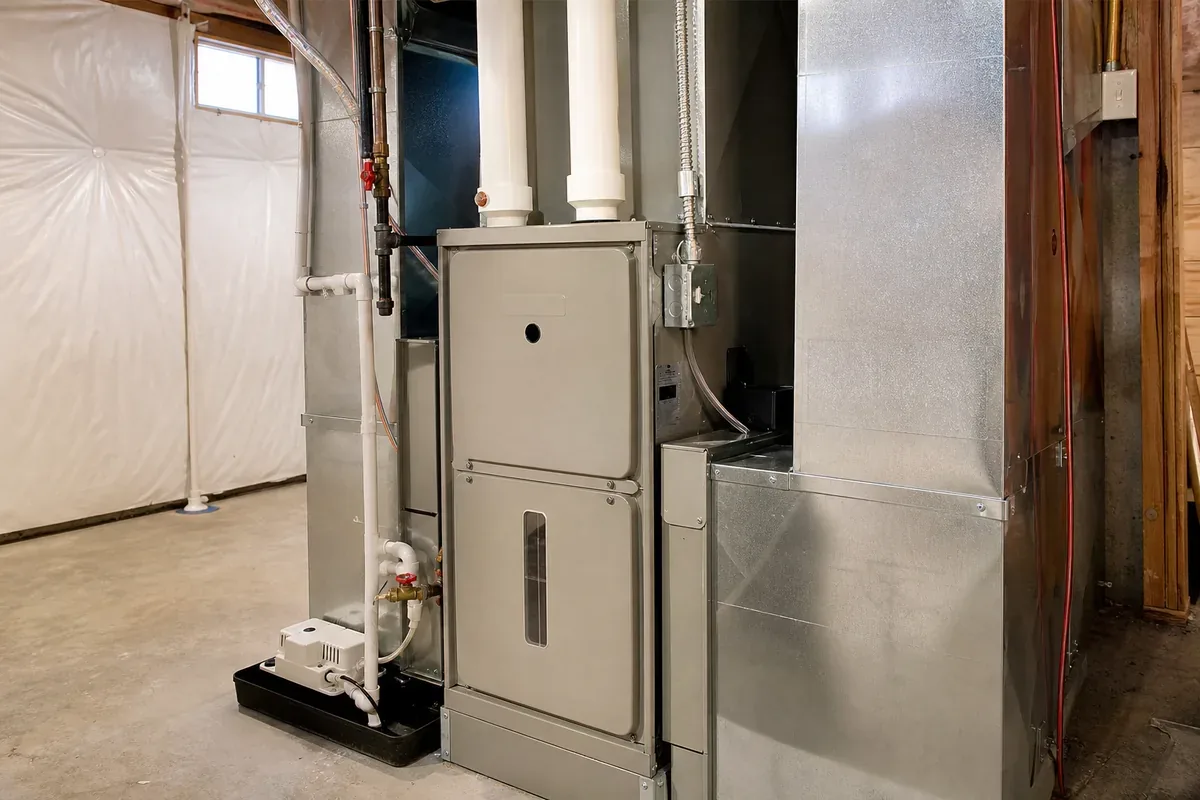
high-efficiency furnace in a Bucks County home utility room, Service First HVAC

Most furnaces in Doylestown and along the Route 202 corridor sit completely idle from April through September. That means five or six months of dust buildup, potential moisture intrusion, and small mechanical issues that nobody catches until the first cold night. A fall HVAC tune-up is the single most reliable way to find those problems before they become emergency calls in January. For more, see ENERGY STAR’s furnace guidance.

Quick Answer: A fall HVAC tune-up typically takes 60 to 90 minutes and covers safety checks, filter replacement, burner cleaning, and airflow testing. Schedule yours in September or early October, before technician slots fill up across Bucks County.

What a Fall HVAC Tune-Up Actually Includes (Step by Step)

A furnace tune-up is not just a filter swap and a handshake. A thorough fall heating inspection covers the mechanical, electrical, and safety components of your system. Here is what a licensed technician works through on a standard visit.

Filter Inspection and Replacement

The air filter is the first thing a technician checks. A clogged filter restricts airflow, forces the blower motor to work harder, and can cause the heat exchanger to overheat and crack. Most Bucks County homes with standard 1-inch filters need a replacement every 60 to 90 days, and a filter that sat untouched all summer is almost always ready to come out.

Burner and Heat Exchanger Inspection

The burner assembly gets cleaned and inspected for proper ignition and flame pattern. A cracked heat exchanger is one of the most serious furnace problems a technician can find, because it allows combustion gases, including carbon monoxide, to enter your living space. According to the EPA’s indoor air quality guidelines, combustion appliances should be inspected annually to prevent exactly this kind of exposure. Even a hairline crack warrants immediate attention.

Electrical Connections and Safety Controls

Loose wiring, worn capacitors, and failing limit switches are common findings on systems that have not been serviced in a year or more. A technician checks every electrical connection, tests the safety shutoff controls, and verifies that the system cycles on and off correctly. These checks take only a few minutes but catch failures that would otherwise leave a family without heat on a cold night in New Hope or Richboro.

Flue and Venting Check

Proper venting is critical for gas furnaces. A technician inspects the flue pipe for blockages, corrosion, and proper draft. Birds, debris, and condensation can all obstruct a flue over the summer. A blocked flue means combustion gases have nowhere to go except back into the home.

Thermostat Calibration and System Test

Finally, the technician runs the system through a full heating cycle, verifies that the thermostat is calling correctly, and checks supply and return air temperatures. A properly calibrated thermostat can improve system efficiency by several percentage points. This step also confirms that everything works together before temperatures drop.

The Best Time to Schedule a Heating Tune-Up in Bucks County Before Slots Fill Up

September and early October are the ideal window for a fall HVAC tune-up. Technician schedules in Bucks County start filling up quickly once nighttime temperatures drop into the 40s, which typically happens in mid-October in this part of Pennsylvania. Homeowners who wait until November often find themselves booking two to three weeks out, or worse, calling for emergency service after the system fails.

If you have an HVAC maintenance plan, your fall tune-up is already built into your schedule, which means you are not competing for open slots during the busy season. That kind of priority scheduling matters when half of Doylestown is calling for service on the same cold morning.

For homeowners along the Route 202 corridor, where older colonial homes often have oversized or undersized original furnaces, early scheduling also gives a technician time to identify equipment issues and order parts before the first real cold snap. Waiting until December makes that turnaround much harder.

The bottom line is simple: book in September if you can, early October at the latest. That window gives you the best technician availability, the most time to address any findings, and the peace of mind that your system is ready before winter arrives.

Warning Signs Your Heating System Needs More Than a Routine Tune-Up

Some furnaces just need a cleaning and a filter. Others need real work. These warning signs suggest your system may need repairs beyond what a standard tune-up covers.

Short-Cycling or Frequent Shutoffs

If your furnace runs for a few minutes and then shuts off before the home reaches temperature, that is called short-cycling. It usually points to a dirty flame sensor, a failing limit switch, or an airflow restriction. Left unaddressed, short-cycling puts significant stress on the heat exchanger and blower motor. If you notice this pattern, mention it when you schedule your appointment so the technician comes prepared.

Unusual Noises During Startup or Operation

A healthy furnace makes a soft whomp when the burners light and a steady hum while running. Banging, rattling, or squealing are not normal. Banging on startup often means delayed ignition, which is a safety concern. Rattling can indicate a loose panel or a failing blower wheel. These sounds tend to get worse over time, and ignoring them typically leads to more expensive repairs. If your furnace is making noises you did not hear last winter, that is a clear signal to call for service before the season starts.

Rising Utility Bills Without a Change in Usage

A furnace that is losing efficiency will run longer to deliver the same amount of heat. In practical terms, that means higher gas bills without any change in your thermostat settings or the weather. If your heating costs climbed noticeably last winter compared to previous years, the system is working harder than it should. A tune-up may recover some of that efficiency, but in some cases the system needs repairs or replacement. Our furnace repair services cover the full range of issues that cause efficiency loss.

How to Prep Your Home Between Now and Your Service Appointment

There are several things homeowners can do before a technician arrives that make the visit more productive and help the system run better right away.

Check and Replace the Air Filter

If you know your filter is overdue, go ahead and swap it out before the appointment. A 1-inch MERV 8 filter is the right choice for most residential furnaces in this area. Higher MERV ratings are not always better, because very dense filters can restrict airflow in systems not designed for them. Check your system manual or ask your technician which rating is appropriate for your equipment.

Clear the Area Around Your Furnace and Vents

Technicians need clear access to the furnace cabinet, the flue connection, and the return air vent. Move stored items, boxes, and seasonal gear away from the unit before the appointment. Also walk through the house and make sure supply and return vents are not blocked by furniture or rugs. Blocked vents cause pressure imbalances that reduce efficiency and can trigger safety shutoffs.

Test Your Thermostat Now

Switch your thermostat to heat mode and set it five degrees above the current room temperature. Verify that the furnace starts within a minute or two and that warm air comes out of the vents within a few minutes after that. If the system does not respond, check the circuit breaker and the furnace power switch before assuming the worst. Note any unusual behavior so you can describe it accurately to the technician.

Check Your Carbon Monoxide Detectors

Before heating season starts, test every carbon monoxide detector in the home and replace batteries as needed. The Consumer Product Safety Commission recommends a CO detector on every level of the home, including near sleeping areas. A functioning detector is your last line of defense if a combustion issue develops during the heating season. This takes five minutes and costs nothing if the batteries are fresh.

What Happens If You Skip the Tune-Up and Wait Until Your Furnace Fails

Skipping the fall HVAC tune-up is a gamble that rarely pays off. Here is what that decision typically looks like in practice.

Furnaces do not usually fail on mild days. They fail on the coldest nights of the year, when every HVAC company in the county is fully booked and emergency service rates apply. A homeowner in Yardley who skips the tune-up in October might find themselves calling for emergency service in January, waiting 24 to 48 hours for a technician, and paying for a repair that a routine inspection would have caught for a fraction of the cost.

Beyond the emergency call scenario, deferred maintenance compounds over time. A dirty flame sensor that costs very little to clean can eventually cause enough short-cycling to damage the heat exchanger. A cracked heat exchanger means a furnace replacement, not a repair. Systems that receive annual pre-season furnace service consistently outlast systems that are run until they fail. According to ENERGY STAR, a well-maintained furnace can last 15 to 20 years, while a neglected system often needs replacement well before that threshold.

There is also a safety dimension that goes beyond repair costs. A furnace with a blocked flue or a cracked heat exchanger can produce dangerous carbon monoxide levels inside the home without any obvious warning signs. Annual inspections catch these conditions before they become health emergencies. If you are unsure whether your system is safe to run this winter, do not wait. Our AC repair services and heating services are available year-round for exactly these situations.

For homeowners considering whether their aging furnace is worth another repair, it is worth getting a professional opinion before the season starts rather than after the system fails. You can get an instant HVAC estimate to understand replacement costs and compare them against continued repair investment.

How Service First Handles Your Tune-Up

Service First HVAC has been serving Bucks County homeowners since 2009. Every technician on our team is PA-licensed, and Service First holds Trane’s Comfort Specialist designation, awarded only to dealers who meet Trane’s top standards for training and service quality. We do not use subcontractors, so the technician who shows up at your door in Richboro or Southampton is a Service First employee who knows the equipment and stands behind the work.

On a fall tune-up visit, our technicians follow a documented checklist that covers every system component, not just the obvious ones. We test safety controls, measure combustion efficiency, inspect the heat exchanger, and verify proper airflow throughout the home. If we find something that needs attention, we explain it clearly before any work is done. No surprises, no pressure.

For homeowners interested in Trane HVAC systems or other high-efficiency equipment, we can also walk through upgrade options during the visit if your current system is approaching the end of its useful life. That conversation is always informational, never a sales pitch. Our goal is to give you accurate information so you can make the right decision for your home and your budget.

We serve Doylestown, Newtown, Yardley, Warminster, Richboro, Southampton, Warrington, and surrounding communities throughout Bucks County. Scheduling is straightforward, and we offer appointment windows that work around your schedule.

Do not wait until the first cold night to find out your furnace is not ready. Call Service First HVAC today to schedule your fall heating inspection, and get into our September or early October calendar before slots fill up across the area. Our team is ready to help you start the heating season with confidence.

Frequently Asked Questions

How long does a heating tune-up usually take?

Most heating tune-ups take between 60 and 90 minutes for a standard gas furnace. If the technician finds issues that need attention, such as a dirty heat exchanger or a failing component, the visit may run a bit longer. It is a good idea to be home for the full appointment so you can ask questions and hear the findings directly.

Can I do any of the fall maintenance checks myself before the technician arrives?

Yes, there are a few things you can handle on your own. Replace the air filter if it is overdue, clear the area around the furnace, test your thermostat in heat mode, and check your carbon monoxide detectors. These steps do not replace a professional inspection, but they make the technician’s visit more efficient and help you spot obvious problems early.

Is a tune-up worth it if my furnace is only a few years old?

Absolutely. Newer furnaces still accumulate dust, and safety components like flame sensors and limit switches can drift out of spec even on relatively new equipment. Many manufacturers also require documented annual maintenance to keep the warranty valid. A tune-up on a newer system is less about finding major problems and more about keeping the system running at peak efficiency and protecting your warranty coverage.

What's the difference between a tune-up and a full system inspection?

A tune-up focuses on cleaning, adjusting, and testing the components that affect normal operation, such as the burners, filter, blower, and safety controls. A full system inspection goes deeper and may include combustion analysis, duct leakage testing, and a detailed assessment of system lifespan and efficiency. If your system is older or showing symptoms, ask your technician whether a more comprehensive inspection makes sense alongside the standard tune-up.

What if the technician finds a problem during the tune-up?

If the technician finds something that needs repair, they will explain the issue clearly before doing any additional work. You will get an honest assessment of whether the repair is urgent or can wait, and what the consequences of waiting might be. No work beyond the tune-up is done without your approval.

How often should I schedule a furnace tune-up?

Once a year is the standard recommendation for gas furnaces, and fall is the right time to do it. Annual service keeps the system running efficiently, maintains manufacturer warranty requirements, and gives a technician the chance to catch small problems before they become expensive failures. Homes with older systems or pets may benefit from more frequent filter checks between annual visits.

FAQs

How long does a heating tune-up usually take?

Most heating tune-ups take between 60 and 90 minutes for a standard gas furnace. If the technician finds issues that need attention, such as a dirty heat exchanger or a failing component, the visit may run a bit longer. It is a good idea to be home for the full appointment so you can ask questions and hear the findings directly.

Can I do any of the fall maintenance checks myself before the technician arrives?

Yes, there are a few things you can handle on your own. Replace the air filter if it is overdue, clear the area around the furnace, test your thermostat in heat mode, and check your carbon monoxide detectors. These steps do not replace a professional inspection, but they make the technician’s visit more efficient and help you spot obvious problems early.

Is a tune-up worth it if my furnace is only a few years old?

Absolutely. Newer furnaces still accumulate dust, and safety components like flame sensors and limit switches can drift out of spec even on relatively new equipment. Many manufacturers also require documented annual maintenance to keep the warranty valid. A tune-up on a newer system is less about finding major problems and more about keeping the system running at peak efficiency and protecting your warranty coverage.

What's the difference between a tune-up and a full system inspection?

A tune-up focuses on cleaning, adjusting, and testing the components that affect normal operation, such as the burners, filter, blower, and safety controls. A full system inspection goes deeper and may include combustion analysis, duct leakage testing, and a detailed assessment of system lifespan and efficiency. If your system is older or showing symptoms, ask your technician whether a more comprehensive inspection makes sense alongside the standard tune-up.

What if the technician finds a problem during the tune-up?

If the technician finds something that needs repair, they will explain the issue clearly before doing any additional work. You will get an honest assessment of whether the repair is urgent or can wait, and what the consequences of waiting might be. No work beyond the tune-up is done without your approval.

How often should I schedule a furnace tune-up?

Once a year is the standard recommendation for gas furnaces, and fall is the right time to do it. Annual service keeps the system running efficiently, maintains manufacturer warranty requirements, and gives a technician the chance to catch small problems before they become expensive failures. Homes with older systems or pets may benefit from more frequent filter checks between annual visits.

Share:
Facebook
Twitter
WhatsApp
Telegram
Email
Compliance Settings
Increase Font Size
Grayscale
Simplified Font
Underline Links
Highlight Links
Reset
Close