
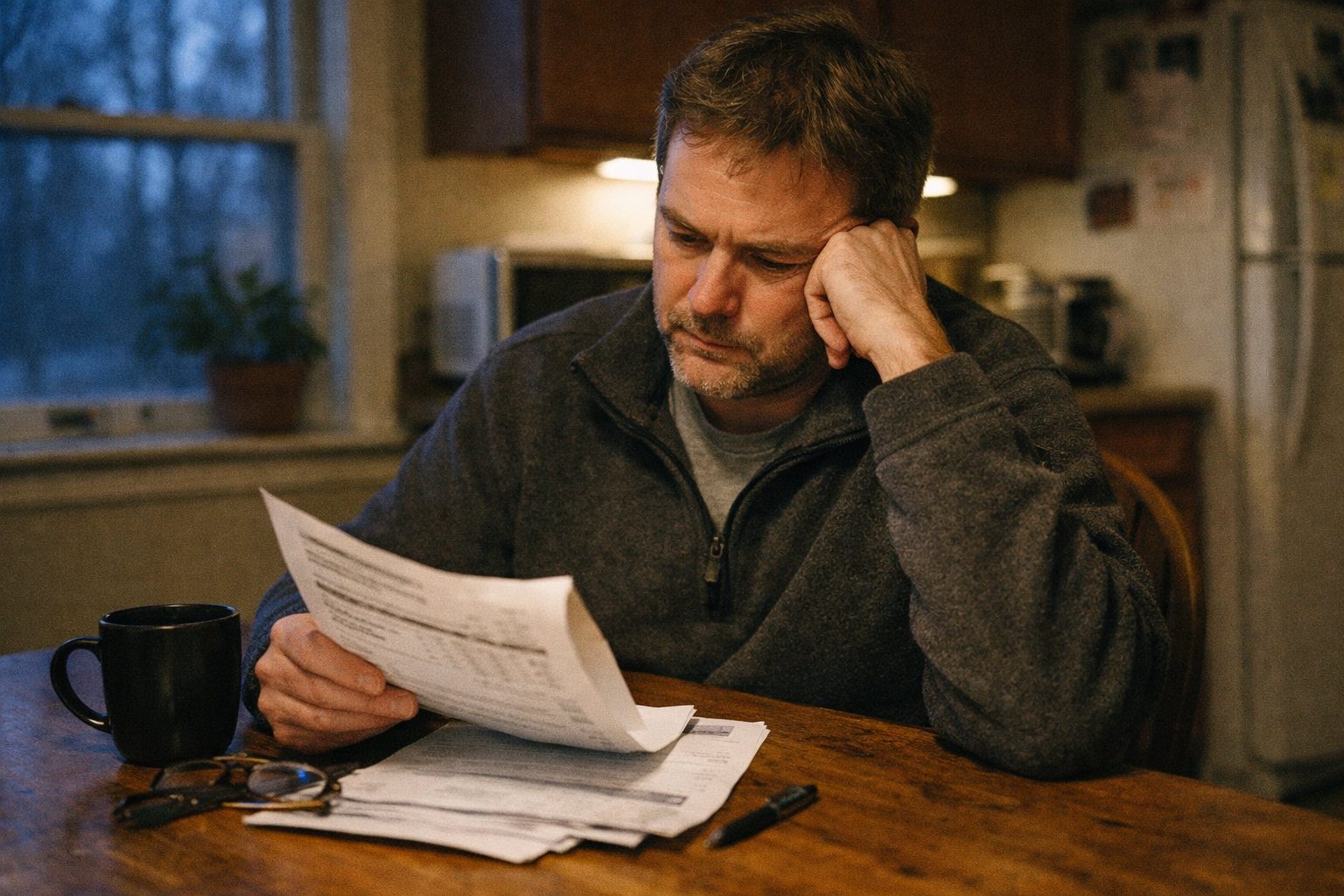
How Heating Systems Lose Efficiency Over Time
Heating systems rarely fail all at once. More often, performance slowly declines while the system continues to run. Components wear down, airflow changes, and settings drift out of alignment. The furnace still heats the home, but it has to work harder and longer to do it. This gradual change is why rising bills often appear before comfort problems do.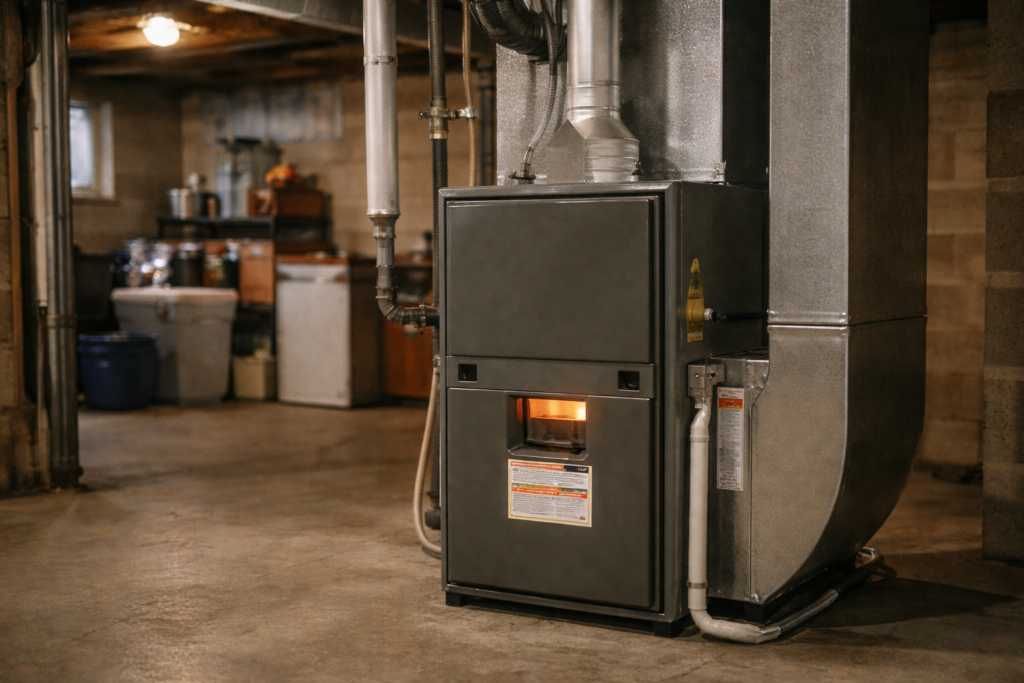
Common Reasons Heating Costs Increase
Longer run times
As systems age or lose efficiency, they run longer cycles to maintain the same indoor temperature. Even small increases in run time can noticeably impact monthly energy costs.Airflow restrictions
Dirty filters, partially closed vents, or duct issues reduce airflow. When heated air cannot move freely, the system compensates by running longer, which increases fuel or electricity usage.Burner and ignition inefficiency
Gas furnaces rely on clean, properly adjusted burners. Over time, buildup or minor ignition issues can reduce combustion efficiency without stopping operation entirely.Heat loss from the home
Drafty windows, attic heat loss, and poorly sealed ductwork force the heating system to replace lost heat continuously. Older Bucks County homes are especially prone to this issue.According to Trane’s furnace efficiency information, small problems with filters, sensors, or airflow can raise your heating costs.
Why Rising Bills Often Show Up in Mid-to-Late Winter
Early winter heating bills often look normal. As the season progresses, systems run longer during colder nights and shorter daylight hours. This increased demand exposes airflow problems, combustion inefficiencies, and insulation weaknesses. That’s why many homeowners see the biggest bill increases in January and February, even if the thermostat settings haven’t changed.What Rising Heating Bills Can Signal
Consistently higher heating costs may indicate:- A system overdue for maintenance
- Developing airflow or combustion issues
- Duct leakage reducing delivered heat
- A furnace operating below its designed efficiency
Related Heating Problems to Be Aware Of
Rising heating bills are sometimes connected to other issues, including uneven heat throughout the home or situations where the system runs constantly but fails to maintain temperature. In more advanced cases, efficiency loss can precede problems like furnace short cycling. Recognizing these patterns early can prevent more disruptive failures later in the season.How to Compare Your Bills Fairly
Do not compare this January to last January. Compare degree days, which your utility usually prints on the bill.
A colder month costs more even with a perfect system. Degree days let you see whether the increase is weather or equipment.
If usage per degree day is climbing, that is your system. If it is flat, the weather explains it.
What to Check Before You Call Anyone
Start with the filter. A month of neglect there can move a bill noticeably.
Then check that supply registers are open and clear of furniture. Blocked airflow makes the system run longer for the same result.
When Rising Bills Mean Replacement
Not every increase justifies new equipment. Some do.
If usage per degree day has climbed for three winters straight, the system is losing efficiency for good.
Pair that with an age past fifteen years. Replacement usually costs less across the next five winters.
Rising heating bills in Bucks County usually have a findable cause. Call 215-876-0486 or schedule an appointment online.
Frequently Asked Questions
Can a furnace work normally but still waste energy?
Yes. Many efficiency problems do not stop operation but cause longer run times and higher fuel usage.
Will changing the thermostat lower my heating bills?
Lowering the thermostat can reduce usage, but it does not fix underlying efficiency problems.
Does maintenance really affect energy costs?
Yes. Clean burners, proper airflow, and calibrated controls help systems operate closer to their designed efficiency.
Are rising bills always a sign of a failing furnace?
Not always. Home insulation, duct leakage, and airflow issues can also drive higher costs.
When should I be concerned about higher heating bills?
If bills increase significantly without changes in usage or weather, it’s worth having the system evaluated.